


By Michalis Mastorakis
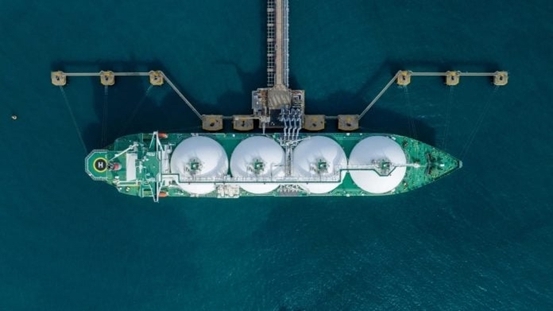
The critical geopolitical dimension of energy was reflected in developments in 2025, with Greece occupying a better position on the European energy map in its first year as a potential LNG transit hub and with the prospect of becoming a hydrocarbon producer.
Europe continues its energy transition, but it is now called upon to decide whether to permanently stop the supply of Russian hydrocarbons, under plans already in place and expected to be completed by early 2028.
Having proceeded with the promotion and establishment of the Vertical Corridor, Greece is emerging as a key gateway for US liquefied natural gas, with the new qualitative element being the agreements reached during the year, which have given these plans a more practical and economic dimension.
Although there is still a way to go, the Greek route constitutes a necessary alternative that, under certain conditions, may develop into a key artery for Ukraine and, progressively, for the entire region.
The agreement between DEPA Commerce and Aktor, through the joint venture they have established under the name “ATLANTIC – SEE LNG TRADE” with Venture Global, in the context of the “Transatlantic Energy Partnership” conference in November, was recognized as a cornerstone for securing the Vertical Corridor, even giving rise to new deals, such as the one that followed between the two Greek companies and the Ukrainian Naftogaz and more that will follow in the immediate future.
New “chapter”
At the same time, the “framework” of the geopolitical upgrade in the energy sector with an eye on the “next day” is complemented by Exxon Mobil’s decision to enter block 2 with 60%, partnering with Energean (30%) and HELLENiQ Upstream West Corfu (10%), with a clear goal of proceeding to the next stage of exploration, which is to carry out exploratory drilling on the plot to determine whether a deposit exists.
If the plan is successful, it will be the first major, exploratory, offshore drilling in the northwestern Ionian Sea in 40 years, while the relevant investment budget is estimated at around 50-100 million euros in the first phase, to be expanded to 5-10 billion euros, in the scenario where a recoverable deposit is confirmed and infrastructure is required for its exploitation over a decade.
(Editor: fubo )