


By Antonis Tsimplakis
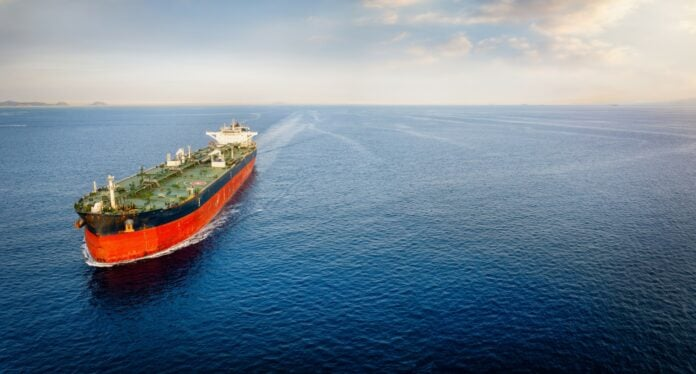
Greek shipowners – widely regarded as the "masters of the seas" – are once again demonstrating their unrivaled expertise in the art of the "asset play".
At a time when both freight rates and tanker asset values — a segment in which Greeks dominate, controlling roughly one in four tankers — have surged to unprecedented levels, Greek operators are pursuing a combined strategy aimed at significantly boosting liquidity.
More specifically, they are capitalising on the spot market, chartering VLCCs, Suezmaxes and Aframaxes at average daily rates of approximately 208,000, 278,000 and 232,000 dollars respectively, while fixing their newer vessels on period charters of one to two years at rates ranging between 100,000 and 120,000 dollars per day. At these levels, second-hand vessel prices have reached record highs. A 10-year-old VLCC is now theoretically valued at around 110 million dollars, representing a 36% increase compared to prices three months ago. A 10-year-old Suezmax has reached 71 million, up 11%; however, in practice, the last four acquired by Sinokor were priced at 82 million dollars each. Similarly, Aframax tankers of the same age are valued at approximately 60 million dollars, with transactions for eight-year-old vessels reaching as high as 70 million dollars. As shipbrokers noted, the market is currently firmly in "seller's territory", with transaction prices often exceeding standard asset valuations.
A word of caution
At the same time, the head of BRS Shipbrokers, Gilbert Walter, has issued a strong warning, urging shipowners to exercise heightened caution when investing in vessels at current elevated price levels.
With both asset values and freight rates rising sharply amid the turmoil in the Middle East, Walter noted in BRS's annual report that shipping companies tend to expand and prosper during market upcycles. However, when the market turns, less prepared and more financially exposed players are forced out.
Rather than pursuing aggressive expansion, he urged shipowners to closely monitor market conditions and prepare for more challenging times ahead, referring to a storm on the horizon — the scale and intensity of which remain uncertain. He also pointed out that following the initial impact of US tariffs, the tanker market rebounded in September 2025, which in turn stimulated shipbuilding activity. Nearly 500 vessels were ordered in the final two months of 2025 alone.
He made particular reference to what he described as Sinokor Merchant Marine's "coup" in the VLCC market:
More than 45 VLCCs changed hands discreetly towards the end of 2025.
The company came to control over 100 VLCCs.
Including chartered vessels, its fleet approaches 130 units.
By mid-February, it controlled approximately 20% of the core VLCC fleet.
He characterised the move as a highly bold bet executed with complete discretion.
In conclusion, the head of BRS identifies a total of 10 market cycles of boom and bust since 1967, including several periods during which freight rates failed to cover even operating costs. His key message to the market is clear: "In an environment of high prices and geopolitical uncertainty, discipline and preparedness are more critical than ever."
Greek shipowners on a fleet renewal trajectory
According to data from Allied QuantumSea, Greek shipowners have emerged in 2026 as leading sellers of older vessels at exceptionally high prices. In total, they have sold 116 out of the 460 ships of all types that have changed hands globally. In the tanker segment alone, they have disposed of 60 units, compared to just 18 tankers sold by Singaporean owners, who rank second. According to data provided to Naftemporiki by Allied, Greek shipowners have generated proceeds exceeding 2.5 billion dollars from the sale of 60 tankers of various types.
At the same time, Greek operators are leveraging the substantial liquidity generated to renew their fleets. With tanker freight markets remaining at elevated levels in the latter part of 2025, Greek shipowners had already placed 111 newbuilding orders in the first two months of 2026, with energy transport vessels accounting for the largest share. According to the latest information, total orders have now exceeded 135 vessels.
(Editor: liaoyifan )