


By Antonis Tsimplakis
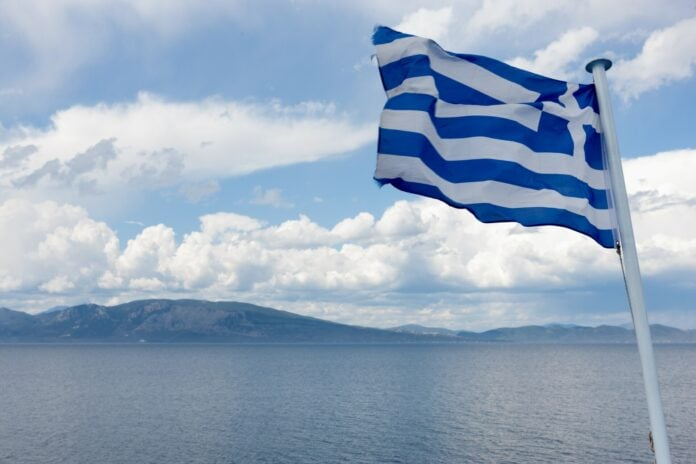
The Greek flag maintained a strong quality profile in a year when the Tokyo MoU recorded the highest number of inspections in its history.
With only four vessels detained and a detention rate significantly below the regional average, the Greek registry once again confirmed its positive standing. According to the Tokyo MoU’s annual report - one of the most active Port State Control (PSC) regimes worldwide - Greek-flagged vessels recorded a detention rate of just 1.79% in the Asia-Pacific region, well below the regional average of 3.53%.
Heightened oversight
This performance is particularly noteworthy given that 2025 marked the 32nd anniversary of the Memorandum’s signing, while inspections reached an all-time high.
Specifically, Tokyo MoU member authorities carried out 35,546 inspections covering 19,980 vessels flying 111 different flags. Deficiencies were identified in 23,230 inspections, with the overall deficiency rate in the region standing at approximately 66%.
In this environment of intensified scrutiny, the Greek flag maintained a solid performance. A total of 223 inspections were conducted on Greek-flagged vessels in 2025, of which 136 recorded deficiencies. The total number of deficiencies identified on vessels under the Greek flag amounted to 415.
During the same period, only four Greek vessels were detained by Tokyo MoU Port State Control inspectors.
This performance gains additional significance when viewed against the broader regional picture. In 2025, a total of 1,255 vessels flying 73 flags were detained due to serious deficiencies, while 90,168 deficiencies were recorded across all inspections.
The Tokyo MoU noted that the main categories of deficiencies continue to be recorded in fire safety, life-saving appliances, living and working conditions, and safe navigation, which together accounted for 53% of all recorded deficiencies.
At the same time, Greece received positive evaluations across several key criteria, including Port State Control performance, ratification of international maritime conventions, the effectiveness of flag state oversight of recognized organizations, the age profile of the Greek merchant fleet, the country’s participation in International Maritime Organization meetings, and the outcomes of the IMO Member State Audit Scheme.
(Editor: wangsu )