


Manzhouli, Oct. 27 (China Economic Net) - At China's northern border with Russia, the freezing city of Manzhouli is building an agricultural processing business around a straightforward strategy: import raw materials, process them locally and supply products to downstream manufacturers.
Manzhouli Altai International Grain and Oil Industrial Co., Ltd., which specializes in importing Russian agricultural commodities and processing them in China, expects its rapeseed imports to reach around 60,000 metric tons in 2026, according to Zhang Hailong, the company’s head.
The company imported approximately 28,000 tons of rapeseed in the first half of the this year and expects additional shipments during the second half, Zhang said in an interview with China Economic Net in Manzhouli.
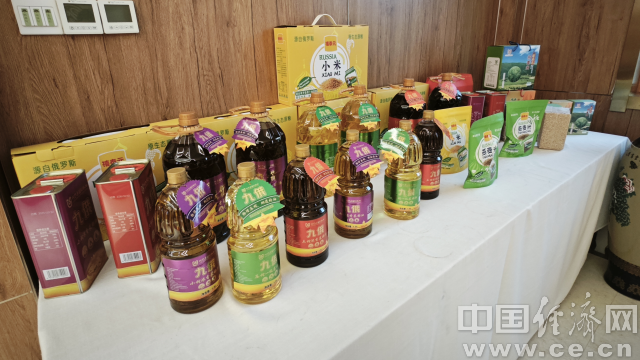
The company’s operations reflect the potential of cross-border agricultural trade to generate value beyond the movement of raw commodities. Russian rapeseed is processed into oil, flaxseed into flaxseed oil, while imported oats and millet are cleaned, processed and prepared for the market, he stated.
Manzhouli’s location, established trade channels with Russia and policies supporting border trade have helped the company develop its processing business. Zhang added that the company operates two principal processing workshops. The oilseed processing facility has an approved annual processing capacity of 200,000 tons, while the oat processing workshop has an approved annual quota of 60,000 tons.
He further said that the company procures raw materials through general trade with Russian suppliers and a border trade channel involving residents. It also plans to expand cooperation with large Russian farms through contract farming, under which technical specialists would provide agricultural guidance and the company would purchase the resulting harvest.
Zhang said the company previously maintained personnel in Russia to undertake cultivation activities but later shifted toward procurement and technical support as labor costs and visa arrangements became more challenging.
The company is also exploring the official registration and certification of Chinese-developed seeds for use in Russia, subject to approval by the relevant authorities in both countries. Zhang said improved seed varieties could help raise crop yields and oil content, creating benefits for farmers and processors.
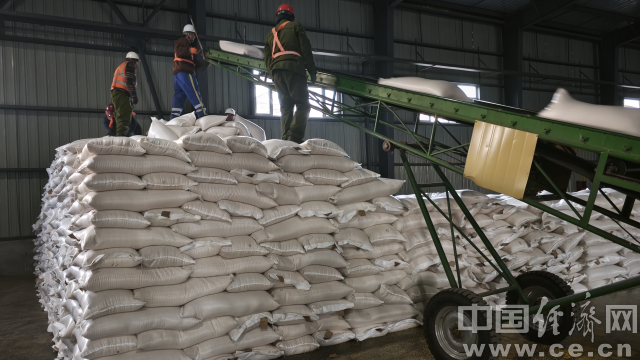
However, the business faces challenges, including differences in crop quality, inspection and transport coordination , and fluctuations in procurement costs. Zhang said Russian export tariffs on rapeseed had risen to around 30% in recent years, adding pressure to purchasing costs. Chinese customs clearance, he added, was generally efficient when shipments met requirements concerning genetically modified content, pests, mold and other quality standards.
Rather than investing heavily in its own consumer-facing brand, the company has focused on supplying bulk oil to established downstream buyers. Zhang said the business moves two to three tanker trucks of oil daily, with total daily shipments reaching around 50 tons.
For Pakistan, the Manzhouli model offers a useful example of how agricultural trade can move beyond exporting raw crops toward local processing, technology transfer and stronger links between farmers and industrial buyers. Pakistan produces oilseeds and other agricultural commodities, while its food-processing sector has scope to develop higher-value products through better seeds, modern processing and reliable supply chains.
Zhang noted although the company has not established specific partnership with Pakistan, its experience could offer insights for Pakistani businesses seeking to strengthen oilseed processing and explore cooperation with Chinese agricultural technology and equipment providers.
As China continues to deepen economic ties with its northern neighbors, Manzhouli illustrates how a border crossing can function not only as a trade gateway but also as a base for processing, manufacturing and agricultural value creation.
(Editor: wangsu )